by Graham Megson
Graham Megson reviews the birding potential the Redcar – Marske Stray. This coastal strip provides good birding all year round as it offers seabirds, shorebirds, migrants, wintering passerines and a few breeders, including a Sand Martin colony.
Background
Redcar and Marske are typical of many seaside towns in that they have reasonable coastal habitats for enjoying good birding. They also have convenient parks and gardens, close to the first landfall of tired migrants. The area covered by this mini-guide covers the coastal strip from Majuba Road car park at the western end of Redcar to St Germaine’s Church in Marske. It includes four kilometres of foreshore and sand dunes, The Stray, the extensive coastal fields and hedgerows, and the wooded gully known as Fox Covert. It has been watched for many years and is a good mix of park and garden, seashore and open field birding, although disturbance can be an issue.
Location, Access and Strategy
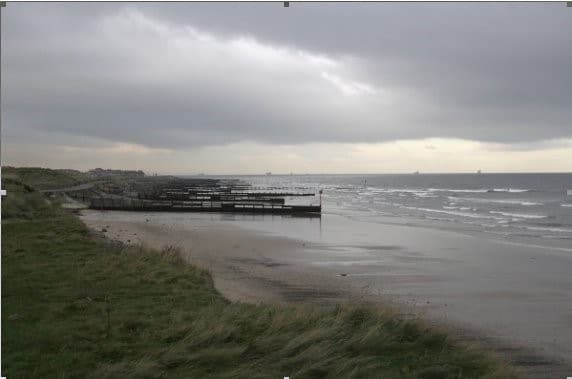
Starting in Redcar stop/park in Majuba Road car park, which is pay and display if you are leaving a vehicle. This is a good spot from which to scan for seabirds, especially if the sea is calm. Just south of Coatham Boating Pool is the bandstand from where it is worth scanning the sea.
Continuing through Redcar along the esplanade, there are roadside bays to stop and scan the shore, for example near the roundabout at NZ 613-249. At low tide the scars are exposed and hundreds of waders and gulls will be foraging.
Continue east on the A1085, Coast Road, and just before the end of the built up area turn right on to Green Lane at NZ 621-238.
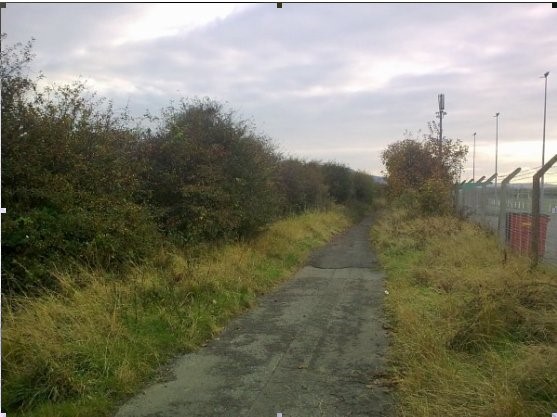
Green Lane ends at the sports ground but a track with a double hedgerow continues inland and then follows the railway corridor eastwards past the sewage treatment works. From Green Lane the coastal fields can be viewed, although to fully cover the latter a number of viewing points will need to be visited. There are two public car parks along the Stray (one including a toilet block).
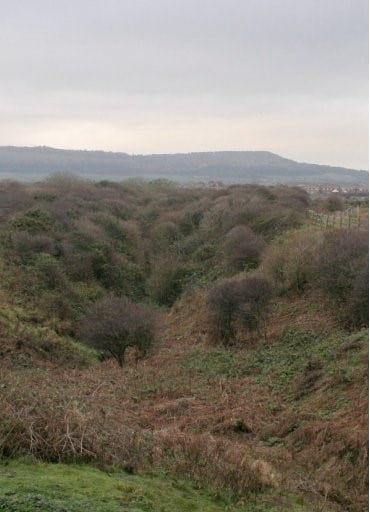
At the eastern end of the coastal fields is the Fox Covert (NZ 630-232), a narrow, wooded, shallow ravine owned by Redcar and Cleveland Borough Council. A public footpath runs through it. In recent years the adjacent edge of the arable field has been grown as a wild bird crop so is worth checking. On the Marske side of the ravine is Bylands School, with a large playing field.
The old part of Marske has a narrow, green corridor of parks and gardens which runs from the beach up into the town.
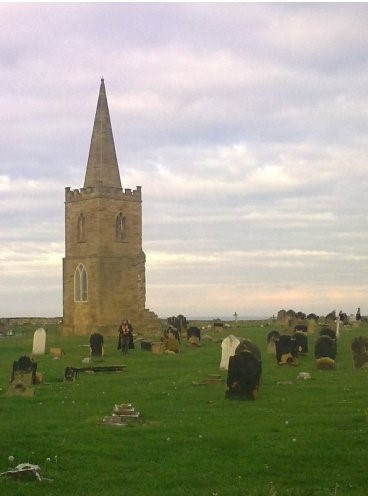
For a reasonable sea watching location, follow the Coast Road until reaching St Germaine’s church, of which only the steeple remains. This offers a good vantage point over the sea.
Beyond the town there is continued good access to the cliffs and shore all the way to Saltburn, with a cliff-top path and interesting dunes, boulder clay slopes and gullies.
Birds
Many of us wish for a repeat of 5th October 1892, when, at Windy Hill Farm, an adult male Macqueen’s (then named Houbara) Bustard was present. This individual was shot and is preserved at the Hancock Museum in Newcastle but a repeat discovery would be treated somewhat differently. Windy Hill Farm lies between Marske and Saltburn and, although this is just outside the main scope of this site guide, it is worth a mention.
The sea off Majuba Road car park and from the bandstand are good for seabirds and ‘scoping the sea may reveal grebes and divers. I have seen Little Auk and all four species of skua from here over the years, the most memorable occasions being four Pomarines flying down the beach one October and, another year, an adult Long-tailed Skua doing the same.
There is a regular wintering flock of Eiders and Common Scoters and in recent years this flock has also attracted Velvet Scoters, Scaup and Long-tailed Ducks. Cormorants are ever-present and Shags are becoming more regular.
Majuba Road car park itself holds a flock of opportunistic feeding Herring Gulls, Black-headed Gulls and Starlings – the latter also bathing and drinking in the rainwater puddles.
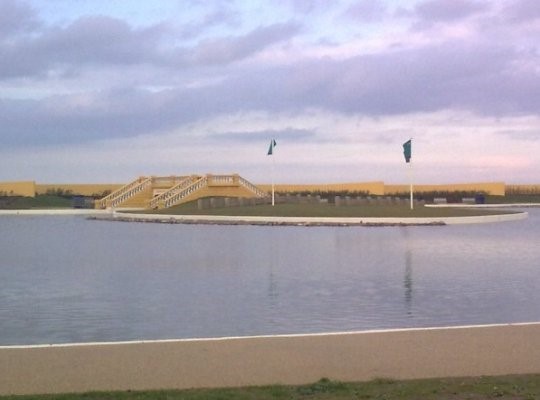
Redcar boating lake supports a high tide roost of 50-200 Redshanks and 25-100 Knot during the autumn and winter. In October 1993, three Long-tailed Ducks appeared on the lake and gave, close range views.
Waders can be seen along the tide line and on the scars at low tide. Sanderlings are fewer in number than of old, and now a flock of 50 is notable. Turnstones, Redshanks, a few Knot, occasional Bar-tailed Godwits and Oystercatchers can be easily seen autumn to spring.
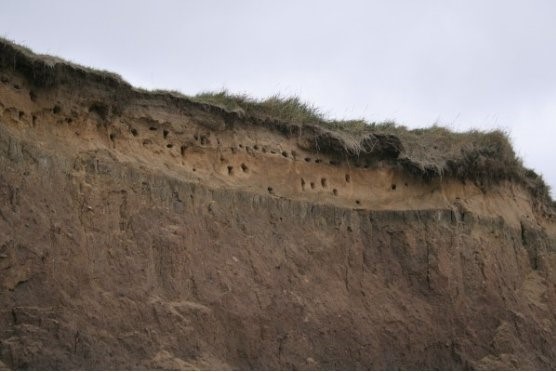
The sandy beach in front of the Stray has itself produced some good birds over the years, with the commoner pipits, wagtails, finches, Snow Buntings and Lapland Buntings, thrushes and Wheatears on passage and, on 19th February 1986, an Arctic Redpoll, which was caught and ringed. There is a Sand Martin colony in the exposed face of the boulder clay ‘cliff’ near the northernmost car park which supports 30+ pairs.
Grey Phalaropes have been found ‘dancing’ in the surf two or three occasions along the shore by the Stray. During the summer and autumn, a large non-breeding flock of Common Scoters build up off-shore, and this occasionally holds a few Velvet Scoter. In 2014 Cleveland’s only record of Black Scoter was expertly picked out and well twitched.
In 2018 a Spotted Sandpiper was a well-watched rarity on the upper shore. At high tide, waders forage on the short turf and roost on the fenced off playing field of Bydales School. Gulls join them and are worth checking for Mediterranean Gull.Green Lane can be hard work, but finches including Tree Sparrow are resident. The hedges attract thrushes in the winter and Whitethroat and Blackcap in the summer.
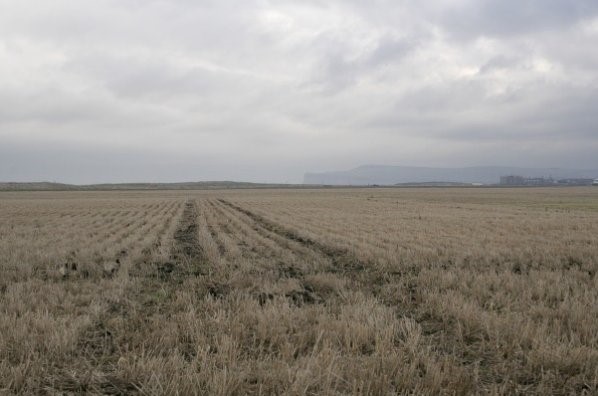
The coastal fields are a magnet for passerines when they are left with stubble over the autumn and winter. Feral pigeons forage along with Wood Pigeons – check through these for Stock Dove. In terms of waders, Lapwing and Golden Plover numbers build up in the autumn. With such high numbers of birds, Sparrowhawk, Kestrel, Peregrine and Merlins occasionally hunt over the field. Not surprisingly the ‘Goldies’ have pulled in rarer waders and both Buff-breasted Sandpiper and American Golden Plover have been found. These open fields are well known for larks and buntings, including Lapland Bunting and in 2018 two Corn Buntings wintered – now a scarce species in Cleveland. Snow Buntings still occur but Twite are now rare. On occasions, geese visit the coastal fields and these have recently included Pink-footed Goose and Brent Goose.
On to the Fox Covert, which has ‘previous’ for attracting rares. One year a Red-backed Shrike frequented the scrub and ringers caught one of the early Cleveland Radde’s Warblers here. A settled autumn Barred Warbler recently proved popular.
Booted Warbler also makes it into this guide, with a bird well watched for two days in a Marske garden in September 1993.
Finally, to St Germaine’s, which is a good spot in the spring to watch hirundines and swifts streaming past, and in other seasons, seabirds may be glimpsed through spray and rain! However, one memorable February day the sea was like a mill pond and on view were Great Crested, Slavonian and Red-necked Grebes, Great Northern, Black-throated and Red-throated Divers, Eiders and Common Scoters. Both Storm Petrel and Leach’s Petrel have been attracted to tape lures during licensed, summer ringing sections on the upper beach.
Mammals and Insects
No article is complete without reference to non-bird wildlife, as other animals can help to round off a good day out in the field. At sea Grey and Common Seals can be seen, along with the occasional Harbour Porpoise, and both Bottle-nosed and Common Dolphins are a possibility – easier to see in calm sea conditions. On land, Brown Hares are regular the coastal fields. Several common butterflies are present in the right months and occasionally ‘in off’ the sea migration of Painted Ladies can be witnessed.
September 2019